
 Follow on Google
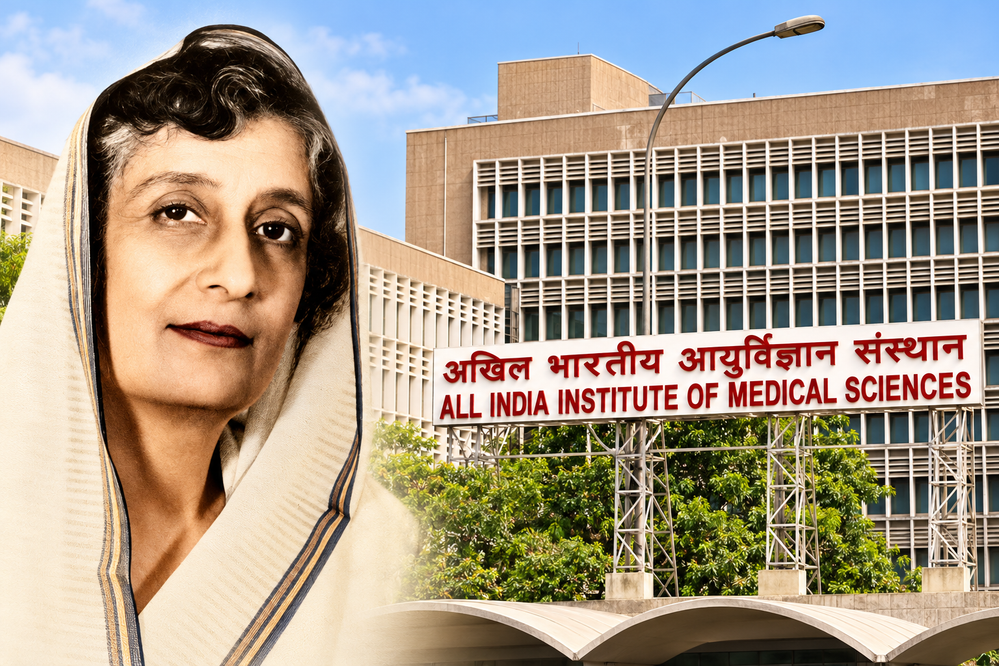
India’s All India Institute of Medical Sciences (AIIMS), New Delhi is known the world over for its educational institutions, cutting-edge healthcare and research. But few know about the leader who fought hard to create it: Rajkumari Amrit Kaur, India’s first Union Health Minister.
AIIMS was set up on the orders of Prime Minister Jawaharlal Nehru’s government, but it was Amrit Kaur’s persistence, politics and diplomacy abroad that gave the institute its shape. So who really built AIIMS?
Who Really Built AIIMS Delhi?
Although Rajkumari Amrit Kaur was India’s first Health Minister, she was the leading force behind AIIMS Delhi. She spearheaded the project to create an institution that excelled at medical education, scientific research and providing quality patient care when she served in independent India’s first cabinet.
Amrit Kaur wanted an institution that would rival international standards while helping India build its healthcare infrastructure. Creating AIIMS at a time when India was beginning to expand its public sector was no easy feat.
AIIMS was set up after Parliament passed the All India Institute of Medical Sciences Act, 1956, when Nehru was PM.
Conceptualising and giving shape to the institution was Amrit Kaur. Getting it passed by Parliament and using the central government’s powers to set it up was the Government of India. Thus, both Nehru and Amrit Kaur played a crucial role in the institute’s development.
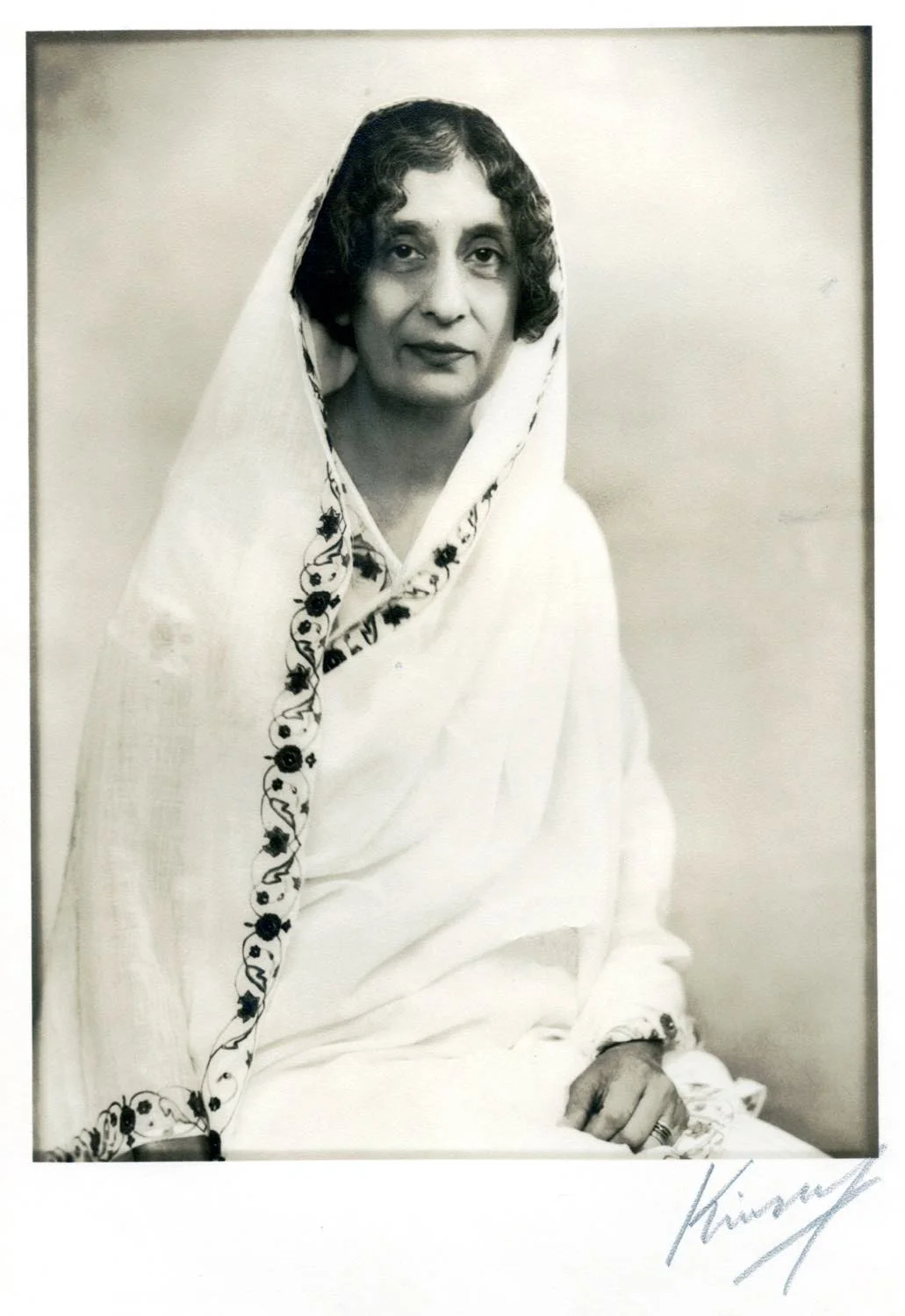
What Was Rajkumari Amrit Kaur’s Role?
Since Amrit Kaur was the driving force behind AIIMS’ establishment, she played a significant role in its creation:
- Coming up with the initial proposal for AIIMS: While the institution was initially envisioned as a medical college, Rajkumari Amrit Kaur made sure it became a place that could set standards for medical education, research and healthcare in India.
- Helping take the proposal through the legislative process and getting parliamentary approval.
- Securing support from international partners. These partners would help India financially, technically and through the donation of equipment.
- Becoming AIIMS’ first president,helping guide its early development.
Her contribution was not limited to proposing a medical college. She advocated for an institution capable of setting high standards in medical training, research and healthcare delivery.
How Did AIIMS Receive International Support?
For AIIMS to flourish, it required international support in the form of financial backing, technical know-how, necessary equipment, and academic collaboration.
India got help from multiple countries, including New Zealand, Australia, West Germany, the Netherlands and organisations like the Rockefeller Foundation and the Ford Foundation.
International support helped India create an institution that could meet international standards. However, helping to shape policy, getting parliamentary approval, building the infrastructure and hiring medical professionals was just as important.
What Was Jawaharlal Nehru’s Role in Building AIIMS?
While Nehru’s government was instrumental in providing the policies and public-sector support needed to set up AIIMS, credit shouldn’t be given to just one person.
Jawaharlal Nehru was responsible for allowing AIIMS to come into being by laying out the government framework and getting the legislation passed. Amrit Kaur was the person who fought for AIIMS to be created.
AIIMS is built on the efforts of many people who don’t always get the credit they deserve. Doctors, nurses, healthcare administrators, maintenance staff, politicians and more contributed to India’s premier medical institution.
Why Was AIIMS Established?
AIIMS was conceived to address several important needs in India’s healthcare system:
- To offer quality higher education for doctors and specialist courses for medical practitioners.
- To help take India’s healthcare system to new heights through research.
- To provide world-class healthcare to all who needed it.
- To create a benchmark that other medical colleges, hospitals and institutions could follow.
Its integrated approach to education, research and patient care helped establish a model for subsequent AIIMS institutions in other parts of the country.
Who Built AIIMS? The Final Answer
By far the most important person behind AIIMS Delhi was Rajkumari Amrit Kaur. When AIIMS was built in 1956, she was the driving force behind Nehru’s prime ministerial administration. Her passion for politics, ability to network globally and vision for contemporary medical education helped materialize the concept into a reality.
Nehru’s central government played a significant role in providing a platform for AIIMS to be built. Numerous other medical professionals and countries helped in AIIMS’ formation as well.
At the end of the day, AIIMS was built because of a few major players in India’s history. Rajkumari Amrit Kaur was one of them.